 +971552579247 | Call Us: +971559994937

Boosting Healthcare Reliability with Precise Timekeeping Systems
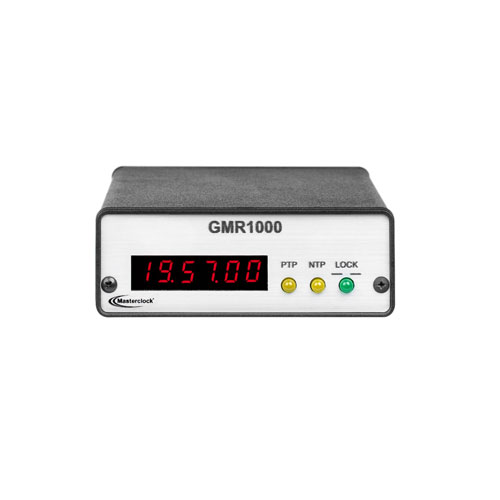
Hospitals run on trust. That trust depends on accuracy. Every second matters when a nurse logs vitals or a doctor checks diagnostic reports. Time plays a silent role across every hospital ward along with every research lab and every telemedicine platform. It keeps patient records consistent. It keeps devices aligned. It keeps systems accountable.
That is why many healthcare providers now rely on precision timekeeping systems. These systems offer a single time source for every connected device. They help create continuity in high-pressure medical environments. They also help reduce errors during audits or emergencies.
A trusted timekeeping solution is not a luxury. It is a foundation. Without it, healthcare teams work with fragmented data. That causes confusion along with delay and avoidable risk. With it, hospitals and labs run smoother. Results come faster. Care becomes safer.
Let us look at how accurate timekeeping supports healthcare across hospitals labs and telemedicine.
Hospitals Need Consistent Logs to Protect Patients
In a hospital setting every event must be recorded. From the moment a patient is admitted to the time they are discharged every action leaves a timestamp. That includes when medicines are administered or when scans are taken or when surgeries begin.
If different devices show different times then records do not match. That causes problems during clinical reviews. It also leads to mistakes in patient files. One wrong timestamp can delay treatment. One wrong timestamp can cause legal concerns.
That is why modern hospitals install central time servers. These servers receive signals from satellites and provide accurate time to all systems. That includes patient monitors along with computer systems and imaging devices. Everything stays in sync.
When all logs follow one timeline doctors can make faster decisions. Nurses can issue the right dosage. Surgeons can follow clear histories. Most importantly patients receive care with better coordination across departments.
Labs Depend on Timed Testing and Traceability
Medical laboratories do not just test samples. They also create records for each step of the process. A blood test does not just give a number. It shows how the sample moved through registration analysis and reporting. Every step needs to be traceable.
If the testing machine shows one time and the result software shows another then the sample history breaks. That affects credibility. That affects quality control. That also affects regulatory clearance.
Labs must meet standards for record-keeping. Time drift between systems creates gaps. That leads to repeat tests or delayed reporting. In sensitive tests such as infection tracking or drug trials this can derail outcomes.
A reliable time server solves this. It keeps machines and computers on the same second. It helps labs meet audit requirements. It also improves internal checks. When a machine fails its logs can be traced back with clarity. When multiple instruments are used in a sequence their data can be matched without confusion.
Empirical Testing Solutions supports labs with tested time and frequency systems. These solutions are trusted in telecom and aerospace. Now they are helping healthcare labs as well. That brings high-grade timekeeping into everyday diagnostics.
Telemedicine Needs Aligned Time for Virtual Trust
Remote care has grown in recent years. Doctors now treat patients across cities or countries. That brings convenience. It also brings new demands.
All user activities need to be recorded in real time. That consists of login events and document uploads and video records. Time sync inculcates confidence in the online trail.
This matters even more for monitoring tools. Remote blood pressure monitors or heart rate trackers send live data. If that data is delayed or misaligned the doctor may not respond on time.
Empirical Testing Solutions provides timekeeping support for cloud-based health services. Their products connect local devices with secure servers. That way telemedicine providers can offer care that feels instant and accountable. Patients can share their data safely. Doctors can act on accurate records.
How These Time Systems Work in Healthcare
The core of a timekeeping system is the master clock. This clock often works through satellite signals or atomic timing sources. It receives accurate time from outside and sends it across the network.
The second layer is the time server. This device takes the master signal and formats it for use. It speaks to hospital computers. It speaks to medical devices. It speaks to cloud platforms.
The third layer is the distribution path. That includes Ethernet ports or secure Wi-Fi or dedicated cabling. It connects time to the places where actions happen. That includes labs operating tables or even billing counters.
If one part of this chain breaks then errors return. That is why healthcare providers must choose systems with backup timing and log protection. The goal is to never lose sync even during power cuts or internet failure.
Empirical Testing Solutions offers this kind of layered support. Their time servers are built with medical use in mind. They do not just provide a clock. They provide structure and traceability.
Why Healthcare Cannot Ignore Time Anymore
Hospitals now handle more digital records than ever. One patient may have ten scans or six prescriptions or four consultations. If each record is stored with a different time the case history breaks.
This is not a small issue. It affects insurance processing. It affects treatment reviews. It also affects how departments talk to each other.
Precision timekeeping is not just for large hospitals. Even small clinics and diagnostic labs face these problems. As electronic records become standard every care provider must ensure that all systems show the same time.
This also supports cybersecurity. In a data breach or system crash time-stamped logs help trace the issue. Without a trusted clock those logs cannot help.
A trusted time system acts like a silent coordinator. It helps doctors along with nurses and technicians work with better understanding. It helps avoid manual corrections. It helps protect patients.
How Empirical Testing Solutions Supports This Mission
Empirical Testing Solutions works with healthcare teams across sectors. They help hospitals install GNSS-based time servers. They help labs set up time audits for test machines. They also work with telehealth platforms that need time sync for digital services.
Their products are used in aviation defence and telecom. That brings a strong standard into medical care. Their systems offer backup layers along with long-term reliability. Their teams also provide local support during installation and service.
That means healthcare teams do not have to guess. They get help with setup. They get clear logs. They get confidence in their data.
Final Thought: Time Builds Trust
When patients walk into a hospital they bring hope. That hope depends on clear records. That includes accurate results and correct dosage and consistent care. Every part of that chain is built on time.
When labs work on critical samples they need traceable steps. That is only possible with matched clocks. When doctors speak to patients remotely they need digital trust. That starts with synchronised records.
Precision time systems do not speak loudly. But they hold every process together. They reduce errors. They protect data. They improve how care is delivered.
Healthcare works better when every second counts. Empirical Testing Solutions helps make that happen. With accurate time everything else runs smoother. That is how reliability grows in hospitals labs and homes. That is how care stays human. That is how lives get better.
FAQs
1. Why do hospitals need synchronized clocks?
Hospitals depend on accurate records. If devices show different times, treatment logs break. Synchronized clocks ensure all departments follow the same second. This helps reduce errors, improves patient safety, and supports faster decisions across emergency care, diagnostics, and routine tasks.
2. How do precision timekeeping systems support laboratories?
Laboratories require traceable testing steps. If machines run on mismatched time, sample reports become unreliable. Synchronized clocks keep every instrument aligned. That helps with internal quality checks, audit compliance, and test accuracy. It also improves confidence in result timelines during reviews.
3. What role does accurate timekeeping play in telemedicine?
Telemedicine platforms must log every action in real time. Without synchronized clocks, prescriptions and consultations may not match. That causes errors in treatment and delays in insurance. Central timekeeping ensures doctors and patients stay connected with clean records across devices.
4. What happens when healthcare systems use mismatched clocks?
Mismatched clocks cause gaps in patient records. That leads to confusion during audits and delays in diagnosis. Manual corrections increase workload and error risk. A synchronized clock fixes this by keeping all systems in sync and protecting medical records from inconsistency.
5. How does Empirical Testing Solutions help hospitals and labs?
Empirical Testing Solutions provides satellite-based time servers for hospitals and labs. Their systems support real-time logging across devices. They also offer backup protection and local support. That helps healthcare teams maintain traceable records without worrying about drift or failure during emergencies.
Popular Tags
Recent Blogs
- What is the Optical Spectrum Analyzer used for?
- How to choose the right splicing machine?
- How to select and use an OTDR
- What is an oscilloscope? Why is it important?
- What is a Fiber Cable blowing machine? Why is it important?
- What is a RF Spectrum Analyzer & What Does it Do?
- All You Need to Know About Cable and Antenna Analyzer
- Radio Frequency Testing – An Outline About the Basics and More
- An Overall Synopsis of 5G Network Testing
- What makes Insulation Testing such a crucial part of an electrical setup?
- Presenting an Overall Idea About Calibration of pressure instruments
- A Guide To Understand The Concept And Uses Of Master Clock
- Understanding the Role Of Fiber and Copper certifier in Testing
- Know About The Different Optical Test Equipment And Other Factors
- Vital Facts You Must Note About The Different Types Of Electrical Test Equipment
- Essentiality of Master Clocks – All You Need To Know About The Device
- Omni Channel Contact Center Everything You Need To Know About It
- All You Need To Note About OLTS & Ethernet Tester And The Testing Ways
- An Overview of HART Communication Solution And Devices
- Master clocks for Airport – All You Need To Know About The Role Of Time Servers In Airports
- Master clocks for Media Broadcasting Companies – Time Synchronization And Its Need
- Cable Blowing Machine – A Guide For Choosing The Right One And Using It Rightly
- Splicing Machines – An Overview Of the Machine And Its Technique
- All That You Need To Know And Learn About Internet Of Things - IoT
- Fiber To The Home – FTTH: Bringing Smarter Connectivity And Solutions
- Fiber To The Home – FTTH: Bringing Smarter Connectivity And Solutions
- Everything You Need To Note About The Master Clock For Banks
- Fiber Optic Cables And Passive Components – Know The Essential Aspects
- Presenting A Brief Outline For The Temperature Monitoring Solution For Data centers: DTSX
- Master Clock For Stadiums – All That You Should Know
- An Overview Of Master Clock For Universities – Know The Important Aspects
- Master Clock For Hospitals – Know Every Practical Aspect Related To Time Synchronization In Healthcare Sector
- Everything You Must Know And Note About The GNSS Simulator Solutions
- Master Clock For Surgery Centers And Clinics – The Importance of Time Accuracy and Synchronization
- Master Clock For Financial Institutes – An Overview Of The Critical Aspects
- The Importance Of Duct Integrity Testing Prior To Fiber Cable Blowing And Everything You Need To Know
- Temperature Monitoring Solution For Manufacturing Plants – How Does It Help In Minimizing The Downtime?
- Master Clocks For Data Centers – Everything You Must Know About Its Functionality
- An Overview Of Fiber Cable Monitoring And Cables – Obtain An Overall Idea
- Why Filtered 1625 nm Wavelength Is Used For Live Fiber Testing?
- An Benefits Of Network Time Protocol In Industries Where Time Is Critical
- Get An Overview Of GNSS Receiver And Its Applications
- Consistency With GNSS Simulator – Explore More On The Concept
- Master Clock - Why Synchronized Master Clock Timing Is Essential For CCTV?
- The Purpose Of Aviation Control Tower And Master Clocks Use In It
- Master Clock For Shopping Mall – Everything You Must Know About These
- Master Clock For Utilities – Know The Application Range
- Use Of Launch Boxes / Dead Zone Eliminators For OTDR Testing
- Difference Between Single Mode And Multi Mode Fiber
- Understanding Fiber Optic Testing Equipment: The UAE Standards
- Different Types of power analyzers and its application
- How to select an oscilloscope?
- Master Clock For Stock Trading – Decode The Essentiality And Utility
- Tactical Fiber Cable: Applications and Benefits
- Master Clock for Schools: Enhancing Time Management and Operational Efficiency
- Master Clock for Manufacturing Plants: Enhancing Precision and Efficiency
- The Critical Role of Master Clocks in Aviation
- The Importance of Master Clocks for Schools
- Masterclock for Healthcare: Precision, Efficiency, and Patient Safety
- Masterclock for Hospitality Industry: Enhancing Precision and Guest Experience
- Masterclock for Stock Trading: The Unsung Hero Behind Market Precision
- Optical Testing in Fiber Networks: Why It Matters More Than You Think
- Why Masterclock Systems Are Vital for Banks, Data Centers, and Disaster Recovery Rooms
- How Artificial Intelligence is Transforming Test & Measurement Solutions in the Digital Age
- Masterclock for Banks: Why It's Critical in Data Centers and Disaster Recovery Rooms
- Masterclock for Banks: Why It's Critical in Data Centers and Disaster Recovery Rooms
- Top Generative AI Trends Shaping 2025
- Securing Time Protocols: Mitigating Spoofing and Malicious Inputs
- Building a Trusted Master Clock: From GPS to GNSS Redundancy
- Broadcast Timing Standards: Why Masterclock Still Matter in the IP Era
- Energy and Utility Sector: The Hidden Risk of Poor Time Synchronization
- Masterclock Systems for Broadcast Facilities — Keeping Every Frame in Sync
- Why Accurate Time Is Critical for TV and Radio Channels